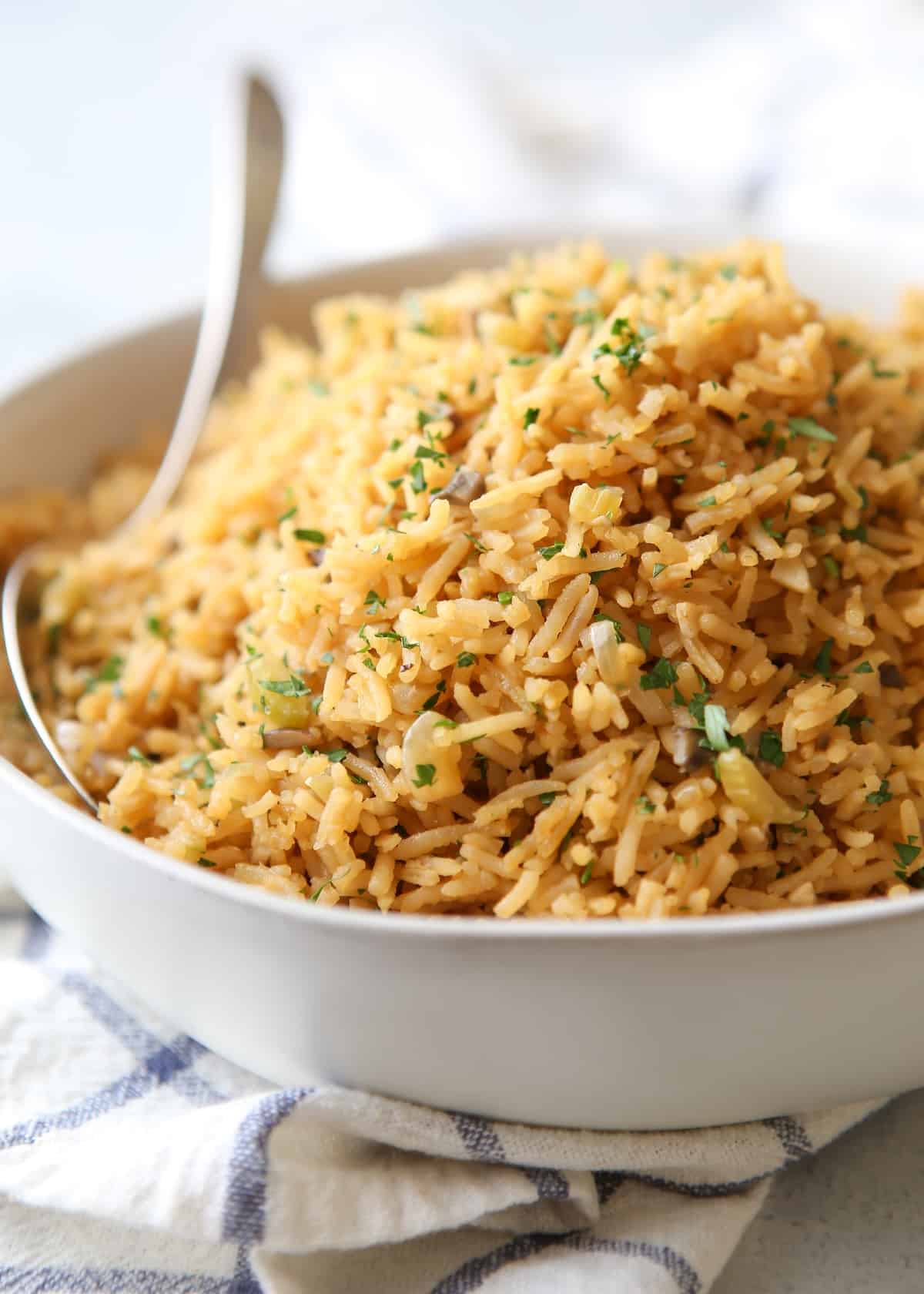
The Art of the Perfect Rice Pilaf: More Than Just Rice
There's a distinct difference between plain boiled rice and a truly magnificent rice pilaf recipe - Article 1. While both feature humble grains of rice, pilaf elevates them into a dish of rich flavor, delightful texture, and often, stunning visual appeal. Originating from the Middle East and South Asia, pilaf has graced dining tables for centuries, becoming a staple across numerous cultures. It's a testament to how simple ingredients, combined with the right technique, can create something extraordinary. This article will guide you through crafting a rice pilaf that's not just a side dish, but a culinary experience in itself – fluffy, aromatic, and perfectly cooked every time. Forget sticky or bland rice; we're about to unlock the secrets to a masterpiece.
Essential Ingredients for a Classic Rice Pilaf Recipe
The beauty of a classic rice pilaf recipe lies in its simplicity and the quality of its core components. Choosing the right ingredients is the first step towards achieving that coveted fluffy texture and deep, satisfying flavor. Here's what you'll need:
- The Rice: Long-grain white rice is traditional for pilaf due to its lower starch content, which helps keep the grains separate and fluffy. Basmati or Jasmine rice are excellent choices, offering their own subtle aromatics. Some recipes call for rinsing the rice thoroughly until the water runs clear to remove excess starch, while others rely on the toasting step to prevent stickiness. For a classic pilaf, minimal rinsing is often preferred to allow some starch for a slight creaminess, while a good toast prevents mushiness.
- Aromatic Foundation:
- Onion: Finely diced yellow or white onion provides a sweet, savory base.
- Garlic: Minced garlic adds a pungent depth of flavor that complements almost any dish.
- Fat for Sautéing and Toasting: Butter, olive oil, or a combination of both work wonderfully. Butter lends a richer, nuttier flavor, while olive oil offers a lighter touch.
- Liquid: This is where much of the pilaf's flavor comes from. Chicken broth is standard for a savory pilaf, but vegetable broth offers a fantastic vegetarian option, and beef broth can add a darker, more robust profile. Ensure your broth is good quality.
- Seasonings:
- Salt and Black Pepper: Essential for balancing and enhancing flavors.
- Bay Leaf: Adds a subtle, herbaceous note.
- Optional Spices: A pinch of turmeric can add a beautiful golden hue and earthy notes. Cumin, cardamom pods, or a hint of allspice can further deepen the aromatic profile, depending on your desired regional twist.
- Optional Additions (for texture and flavor):
- Vermicelli or Orzo Pasta: Often toasted alongside the rice, these small pasta shapes add a delightful textural contrast.
- Toasted Nuts: Pine nuts, slivered almonds, or pistachios can be stirred in at the end or used as a garnish for extra crunch and richness.
- Dried Fruits: Raisins, currants, or dried cranberries can introduce a touch of sweetness, especially common in Middle Eastern variations.
Step-by-Step Guide: Crafting Your Masterpiece Rice Pilaf
Creating the perfect rice pilaf recipe involves more than just throwing ingredients into a pot. It's about precision, patience, and understanding each critical stage. Follow these steps for consistently fluffy, flavorful results:
- Preparation is Key:
- Measure your rice accurately. A good rule of thumb is a 1:2 ratio of rice to liquid, but this can vary slightly depending on the type of rice and desired texture.
- Finely dice your onion and mince your garlic.
- Have your chosen broth warmed (or at least at room temperature) – adding cold liquid can shock the rice and affect its cooking time and texture.
- Sauté the Aromatics:
- In a heavy-bottomed pot or Dutch oven (with a tight-fitting lid), melt 1-2 tablespoons of butter or heat olive oil over medium heat.
- Add the diced onion and cook, stirring occasionally, until softened and translucent, about 5-7 minutes. Avoid browning them too much.
- Stir in the minced garlic and cook for another minute until fragrant. Be careful not to burn the garlic.
- The Crucial Toasting of Rice (and Vermicelli):
- Add the measured rice (and vermicelli/orzo, if using) to the pot with the aromatics.
- Stir constantly for 3-5 minutes, allowing the rice grains to toast. This step is vital! It coats the rice in fat, preventing stickiness and helping each grain cook separately, resulting in a fluffy pilaf. The rice will start to look slightly translucent around the edges and emit a nutty aroma. If using vermicelli, it should turn a deep golden brown.
- Add Liquid and Seasoning:
- Pour in the warm broth. Be cautious as it will create steam.
- Add salt, pepper, and the bay leaf. If using optional spices like turmeric or cumin, add them now.
- Bring the mixture to a rolling boil, then immediately reduce the heat to the lowest setting.
- Simmer to Perfection:
- Cover the pot tightly with the lid. A tight seal is paramount to trap all the steam, which is essential for cooking the rice evenly.
- Let the rice simmer undisturbed for 15-20 minutes, depending on the rice type. Resist the urge to lift the lid! Peeking releases the steam and can lead to unevenly cooked or dry rice.
- Rest and Fluff:
- Once the cooking time is up, remove the pot from the heat. Do not lift the lid!
- Allow the pilaf to rest, still covered, for another 10-15 minutes. This resting period allows the steam to redistribute, fully hydrate the rice, and further separate the grains, resulting in maximum fluffiness.
- Finally, remove the lid and gently fluff the pilaf with a fork. Discard the bay leaf.
For more detailed insights into specific regional twists or troubleshooting common issues, you might find valuable information in rice pilaf recipe - Article 2.
Variations and Enhancements: Elevating Your Rice Pilaf
Once you've mastered the classic rice pilaf recipe, the culinary world opens up to endless possibilities for customization. Pilaf is incredibly versatile, adapting beautifully to various flavors and ingredients. Here are some ideas to inspire your next creation:
- Vegetarian & Vegan Options: Simply substitute chicken broth with a good quality vegetable broth. You can also add sautéed mushrooms, peas, carrots, or spinach for extra flavor and nutrition. A squeeze of lemon juice at the end can brighten vegetarian versions.
- Protein Power-Ups:
- Chicken Pilaf: Sauté diced chicken breast or thighs with the onions. Once browned, remove, cook the rice, then add the cooked chicken back in with the broth.
- Lamb/Beef Pilaf: Brown small cubes of lamb or beef for a hearty meal. This is common in many Middle Eastern and Central Asian pilafs, often incorporating richer spices like cinnamon and cloves.
- Lentil Pilaf (Mujadara-style): Cook brown or green lentils separately and stir them into the finished pilaf, or cook them with the rice if they have a similar cooking time. Top with crispy fried onions for an authentic touch.
- Spice Journeys:
- Middle Eastern Inspired: Incorporate spices like allspice, cinnamon, cloves, cardamom, and a pinch of nutmeg. Finish with toasted pine nuts and fresh parsley.
- Indian Inspired: Add whole spices like cardamom pods, star anise, and cloves to the oil before adding onions. A touch of garam masala or a pinch of saffron (soaked in a little warm milk) can elevate the flavor and aroma significantly.
- Mediterranean Zest: Stir in sun-dried tomatoes, Kalamata olives, and fresh oregano or basil after the rice has rested.
- Fruity & Nutty Additions:
- Stir in dried cranberries, golden raisins, or chopped apricots during the last few minutes of cooking or after resting for a sweet-savory contrast.
- Garnish with a generous sprinkle of toasted slivered almonds, pistachios, or cashews just before serving.
- Herbaceous Finish: Fresh herbs are a pilaf's best friend. Chop fresh parsley, cilantro, dill, or mint and stir them in right before serving for a burst of color and freshness.
Troubleshooting Common Pilaf Problems & Serving Suggestions
Even seasoned cooks can encounter snags when preparing a rice pilaf recipe. Knowing how to prevent or fix common issues ensures a perfect result every time. And once perfected, how best to serve this versatile dish?
Common Pilaf Problems and Solutions:
- Mushy Rice:
- Cause: Too much liquid, overcooking, or lifting the lid too often during simmering.
- Solution: Ensure precise liquid measurement (usually a 1:2 rice to liquid ratio). Do not lift the lid during cooking. If it's already mushy, gently spread it on a baking sheet and bake at a low temperature (around 250°F / 120°C) for 10-15 minutes to dry it out slightly.
- Dry or Undercooked Rice:
- Cause: Not enough liquid, pot not sealed tightly, or cooking at too high a heat causing liquid to evaporate too quickly.
- Solution: If you notice it while cooking, quickly add a small amount (1/4 cup) of hot broth or water, reseal, and continue simmering for a few more minutes. If it's already finished, add a splash of hot liquid, cover, and let it steam on very low heat or off the heat for another 5-10 minutes.
- Sticky Rice:
- Cause: Insufficient toasting of the rice, or not using long-grain rice (which has less starch).
- Solution: The toasting step is crucial for preventing stickiness. Ensure each grain is well-coated in fat and toasted until slightly translucent. While not ideal if already sticky, gently fluffing with a fork immediately after resting can help separate some grains.
- Burned Bottom:
- Cause: Heat too high, or not enough liquid.
- Solution: Always use the lowest possible heat for simmering. A heavy-bottomed pot helps with heat distribution. If it burns, carefully scoop out the unburned top layer and discard the burned portion.
Serving Suggestions:
Rice pilaf is wonderfully versatile and can be served in many ways:
- As a Side Dish: It makes an excellent accompaniment to grilled meats (chicken, lamb, beef), roasted vegetables, or fish. Its mild yet flavorful profile complements a wide range of main courses.
- Main Course: With added proteins like chicken, lamb, or lentils, pilaf transforms into a satisfying one-pot meal. Serve with a dollop of yogurt or a side salad for freshness.
- Festive Occasions: A beautifully garnished pilaf with toasted nuts and fresh herbs makes an impressive centerpiece for holiday meals or dinner parties.
- Breakfast/Brunch (Sweet Pilaf): In some cultures, sweet variations with dried fruits, nuts, and spices are enjoyed for breakfast or dessert.
Leftover pilaf can be stored in an airtight container in the refrigerator for up to 3-4 days. Reheat gently in the microwave or on the stovetop with a splash of water or broth to restore moisture.
Conclusion
The journey to mastering the rice pilaf recipe is a rewarding one. From understanding the nuances of each ingredient to executing the crucial toasting and simmering steps, every detail contributes to a dish that is far more than just rice and broth. A perfectly cooked pilaf is fluffy, aromatic, and bursting with subtle flavors, making it a beloved staple in countless cuisines around the world. Whether you opt for a simple, classic version or venture into more exotic variations with spices and additions, the principles remain the same: quality ingredients, careful technique, and a little patience. Embrace the process, and you’ll soon be serving up a rice pilaf that will impress and delight everyone at your table.
